Plants That Perform Through the Dry Season
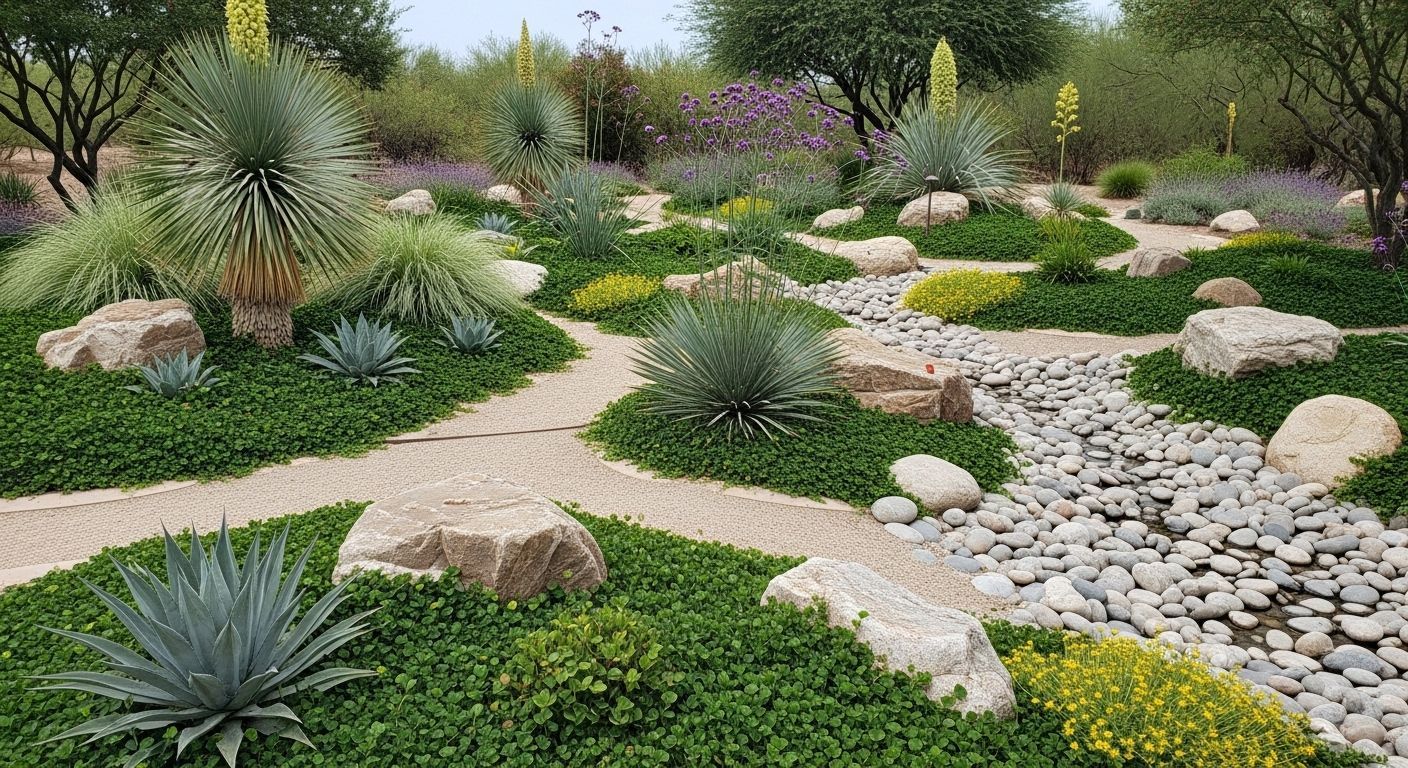
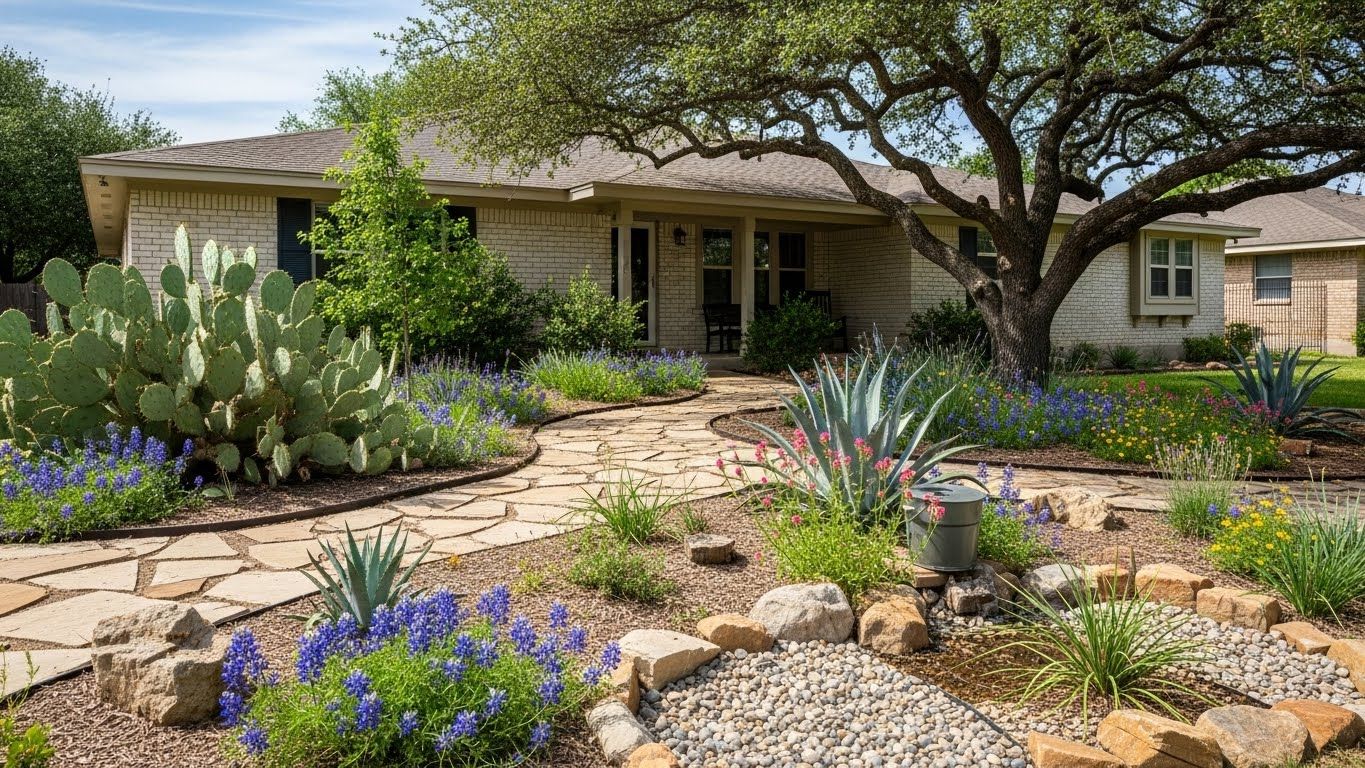
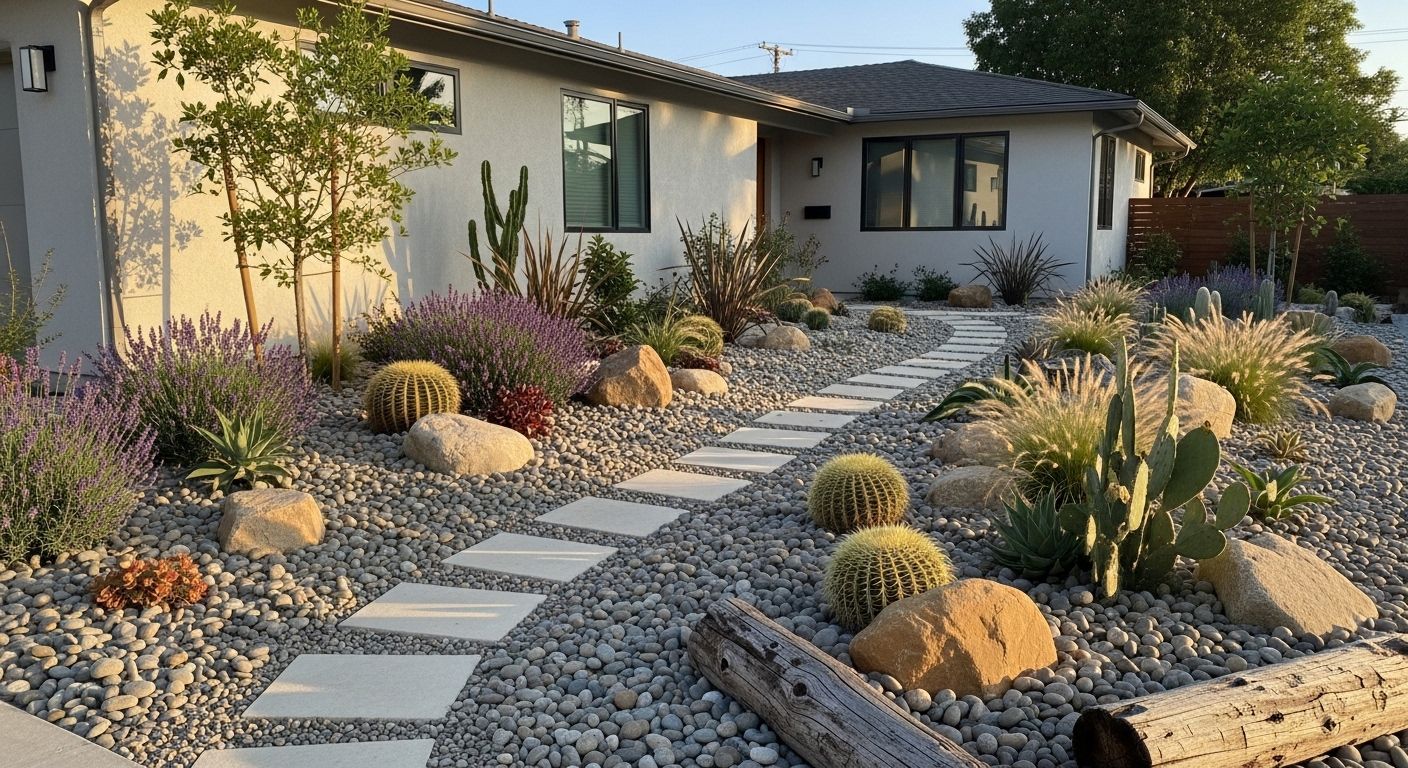
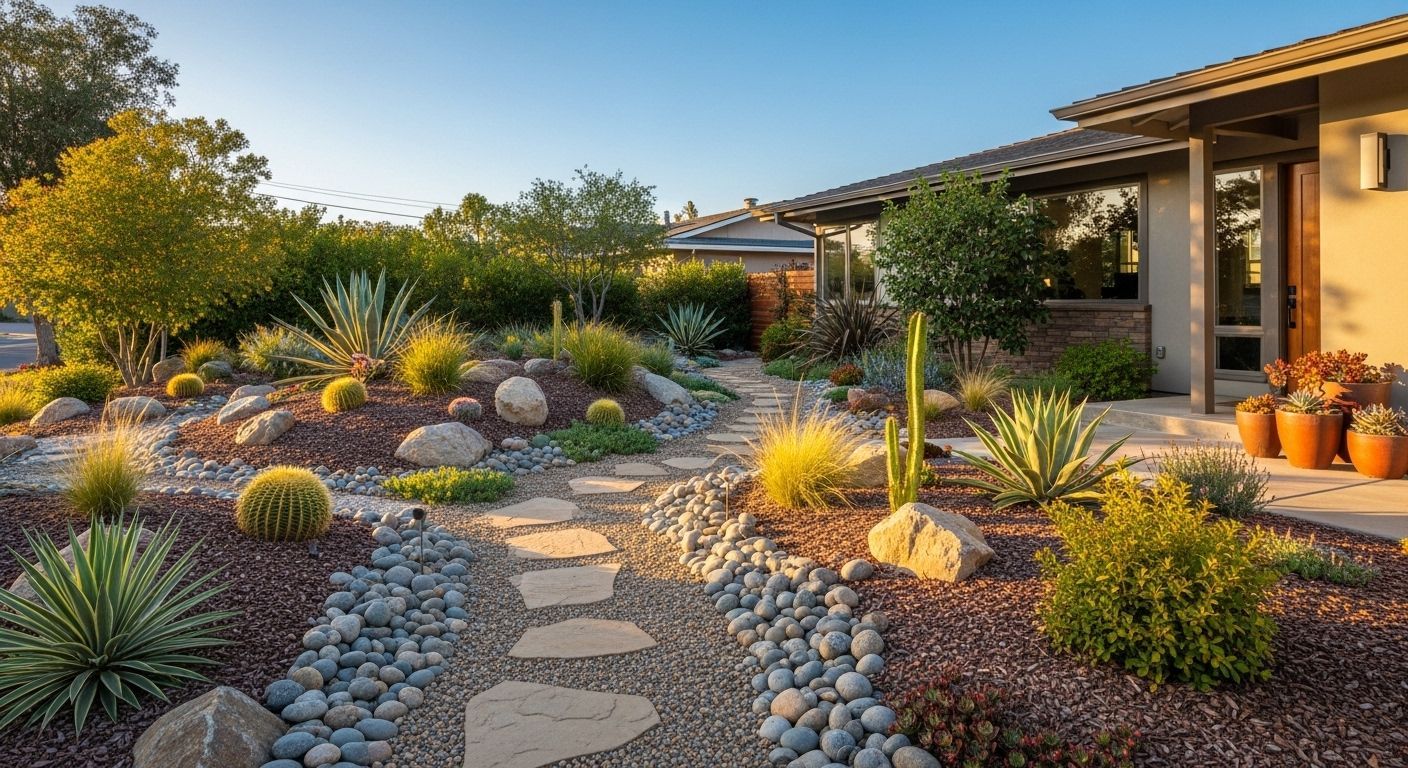
The foundation of any successful drought-tolerant landscape is the right plant selection. Portland's climate supports a wide range of low-water plants, drought resistant shrubs, and waterwise plants that stay attractive through the dry season with minimal supplemental irrigation once established.
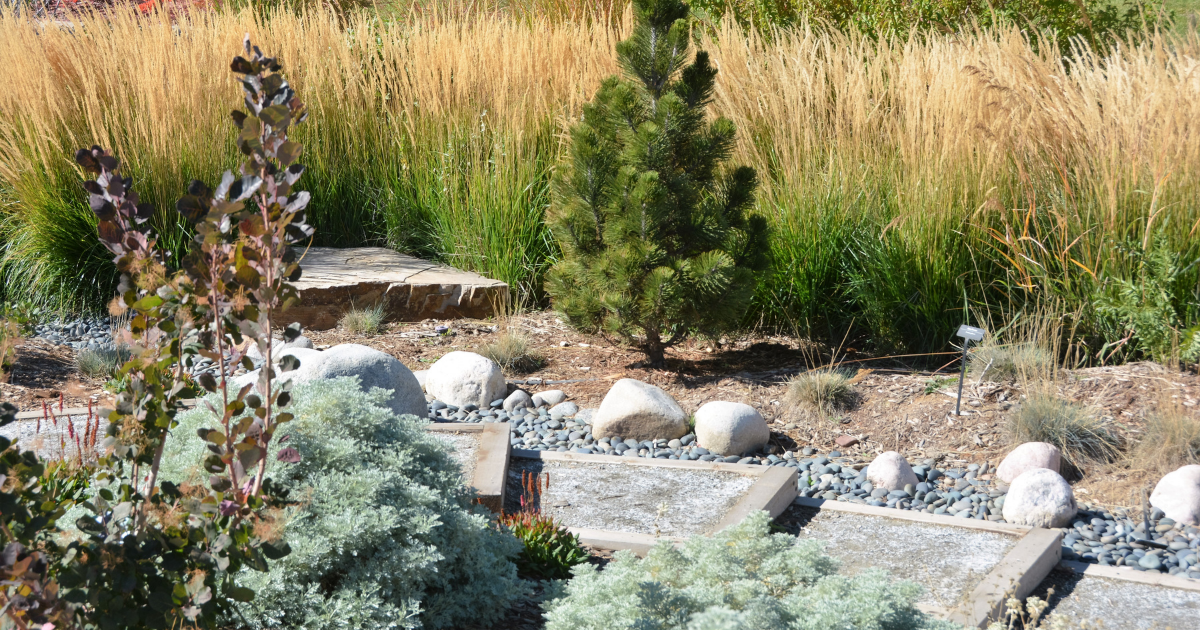
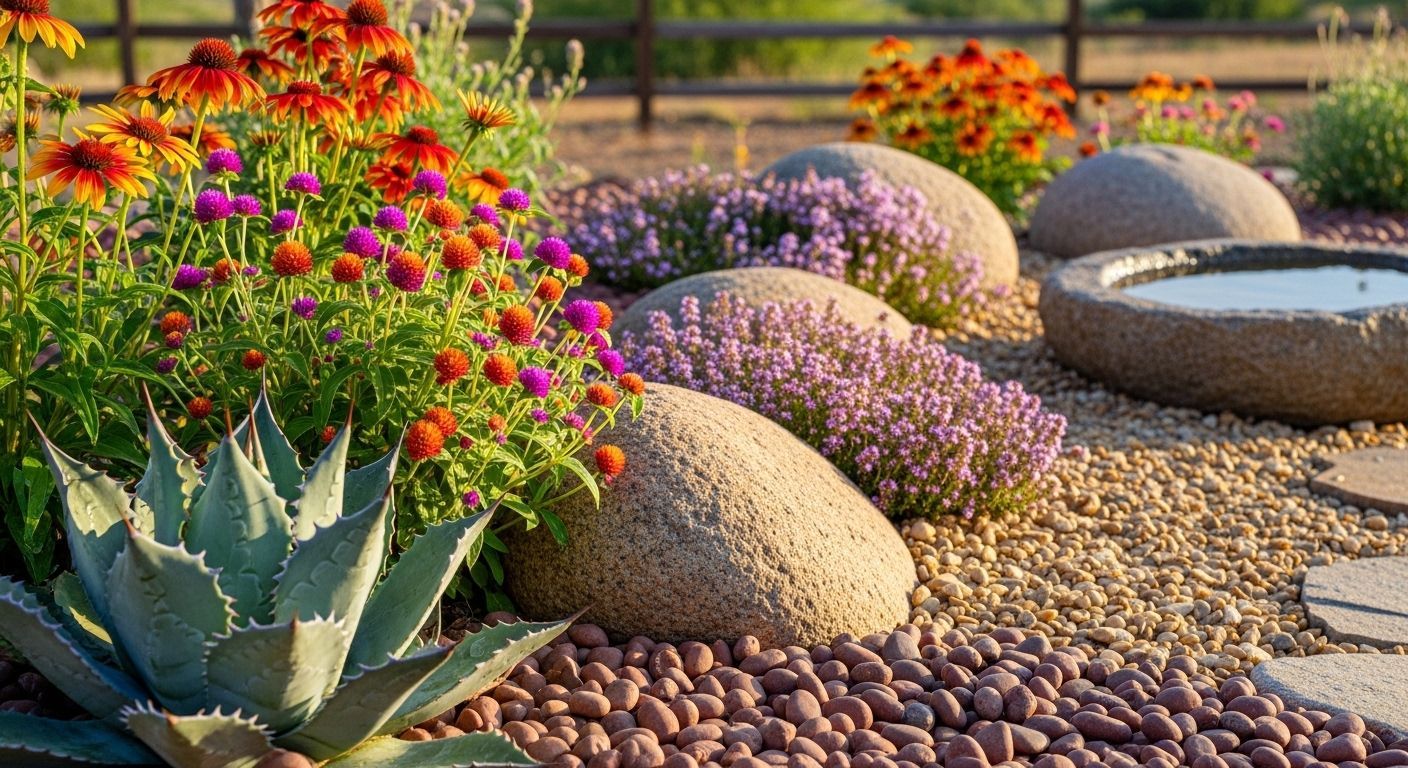
Our horticulture team selects from proven performers including ornamental grasses, lavender, salvia, yarrow, sedum, native bunch grasses, Oregon grape, kinnikinnick, and a range of xeriscape shrubs and xeriscape bushes that hold structure and color from spring through fall. These aren't plants that merely survive dry conditions — they're species that actually thrive in them, putting down deep root systems that access soil moisture long after surface irrigation has stopped.
Ground covers play an equally important role. Low-growing water-wise plants like creeping thyme, ice plant, and native sedges fill in between larger plantings, suppress weeds, and reduce bare soil exposure that accelerates moisture loss.
Soil Amendment and Deep-Root Watering
Plants are only part of the equation. Soil preparation is what determines whether a drought-tolerant landscape performs long-term or struggles through its first summer. Our installation process includes full soil assessment and amendment to improve drainage, aeration, and root penetration. Properly amended soil allows water-wise plants to establish deep root systems faster — which is the key to genuine drought tolerance rather than just drought survival.
We also design and install deep-root watering systems and low-flow drip irrigation targeted at the root zone rather than the surface. This approach delivers water exactly where plants need it, eliminates runoff, and dramatically reduces the volume of water required to keep the landscape healthy through the dry season.
Mulching completes the system. A proper mulch layer retains soil moisture, moderates root-zone temperature, and slows the evaporation cycle that forces constant surface watering on traditional lawns.