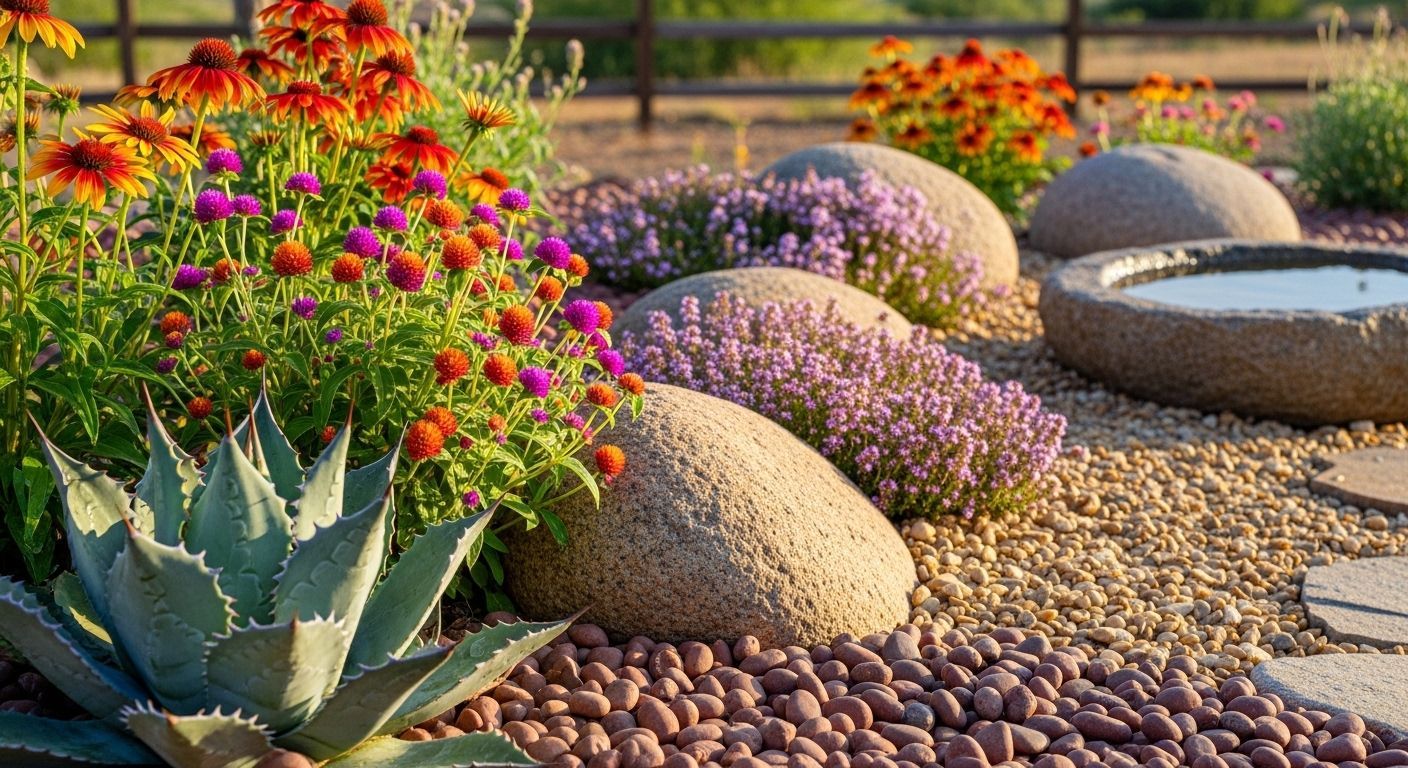
Xeric Garden & Native Plant Installations in Portland

The word "xeric" comes from the Greek word for dry. In landscaping terms, a xeric garden is one designed around plants that are naturally adapted to low-moisture conditions — species that evolved to thrive on what the sky provides rather than what a sprinkler delivers. In Portland, that means building landscapes around the native plants, grasses, shrubs, and wildflowers that belong to the sagebrush steppe and high desert transition zones of the Pacific Northwest — plants that have been growing in this region's soil and climate for thousands of years without any human intervention.


At Portland Xeriscape, xeric garden and native plant installations are some of our most rewarding work. The results are landscapes that look like they belong here, because they do.

Our Services →

What Makes a Plant Truly Xeric

A xeric plant isn't just drought tolerant in the casual sense. It's a species whose root architecture, leaf structure, and growth cycle are built around water scarcity. Many native xeric plants develop deep taproots that access subsoil moisture long after the surface has dried out. Others have waxy, silver, or fine-textured leaves that reflect heat and reduce transpiration. Some go partially dormant during the driest stretch of summer and green back up when fall rains arrive — a natural rhythm that conventional landscaping fights against and xeric gardening works with.

This is what xeriscaping meaning comes down to at the plant level: choosing species whose biology matches your climate, so the landscape sustains itself.


estimated_quoteArtboard 3

Get a Free Quote

Contact Us

Xeriscape Portland: Septic Tank Repair, System Repair & Drain Field Solutions

Satisfied Clients

quotes2Artboard 2

Native Plants That Define Portland Xeric Gardens

The sagebrush steppe plant palette translates beautifully into residential and commercial xeric landscapes across the Portland metro area. Our horticulture team works with a curated selection of species proven to perform through Portland's freeze-thaw cycles, dry summers, and variable soil conditions.


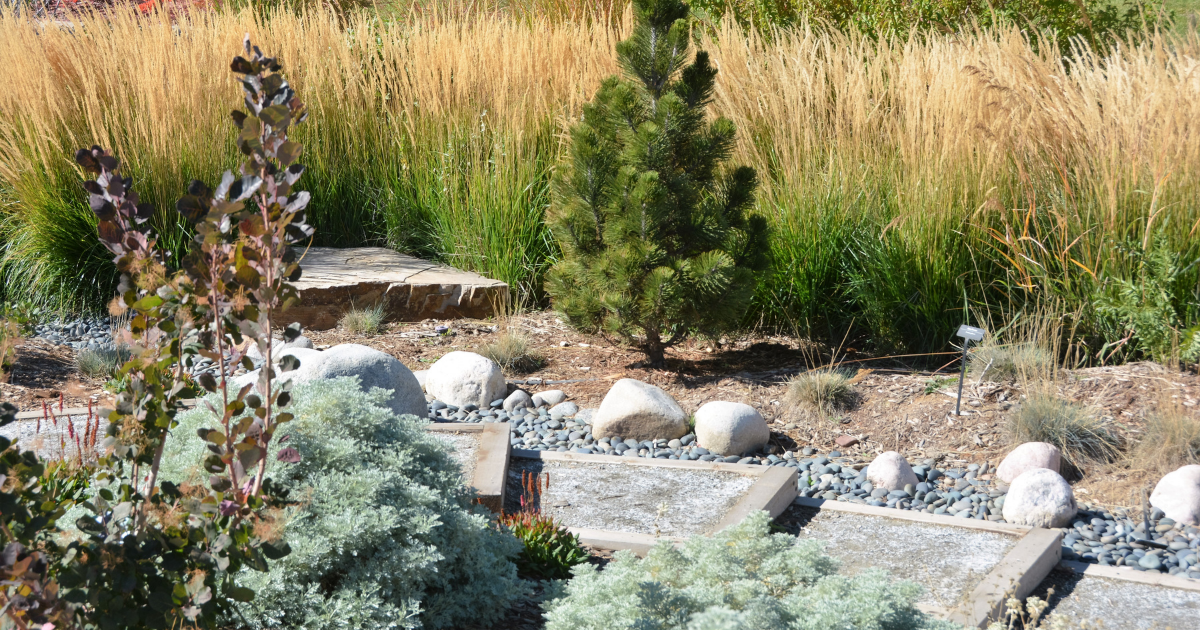
Native bunchgrasses including Idaho fescue, blue wild rye, and tufted hairgrass provide year-round structure and movement. They're among the best xeriscape grasses available for Pacific Northwest gardens — requiring no fertilizer, no supplemental irrigation once established, and no mowing beyond an occasional seasonal cut. Shrubs like big sagebrush, rabbitbrush, native currant, and serviceberry form the backbone of xeric garden designs, offering seasonal color, winter structure, and critical habitat for local bird and pollinator species. Wildflowers including lupine, balsamroot, penstemon, and blanketflower bring color through the growing season and reseed naturally, reducing replanting costs over time.


Ground-level water-wise plants like kinnikinnick, native sedums, and spreading phlox fill in between larger plantings, lock in soil moisture, and eliminate the bare soil exposure that accelerates weed pressure and moisture loss.


The Ecological Case for Going Native

The numbers behind native plant landscaping are hard to ignore. Research from the University of Delaware found that native oak species alone support over 500 species of caterpillars — a primary food source for nesting birds — compared to fewer than five species supported by the most common non-native ornamental trees.


The Xerces Society estimates that native plant gardens support pollinator populations at rates three to five times higher than conventional ornamental landscapes, a meaningful contribution in a region where native bee populations have declined significantly over the past two decades. And according to findings published by the Lady Bird Johnson Wildflower Center, established native plant landscapes require little to no supplemental irrigation, no synthetic fertilizer, and up to 75 percent less maintenance input than traditional turf over a ten-year period.


For Portland homeowners and commercial property managers, those numbers translate directly into lower maintenance costs, reduced water bills, and a landscape that improves ecologically over time rather than degrading.

Xeriscaping Near Me?

Installation Built for Long-Term Performance

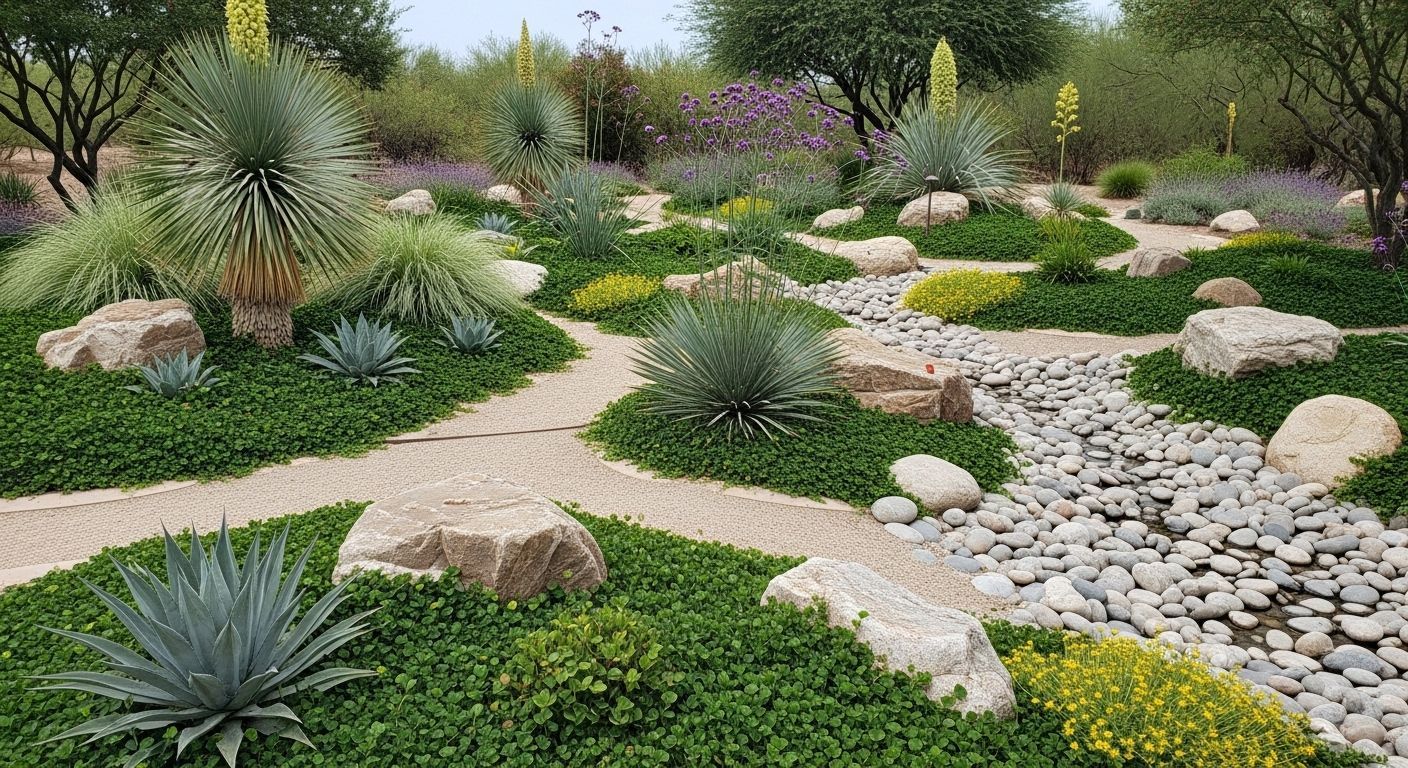
Our xeric garden installations begin with soil assessment and amendment tailored to native plant establishment. We source regionally appropriate species, design plant communities that mirror natural groupings for long-term stability, and install with spacing and mulching strategies that accelerate root development and minimize the establishment watering period.


The result is a xeric landscape Portland can be proud of — beautiful through every season, ecologically sound, and genuinely self-sustaining once established. Contact Portland Xeriscape today to schedule your native plant consultation.